

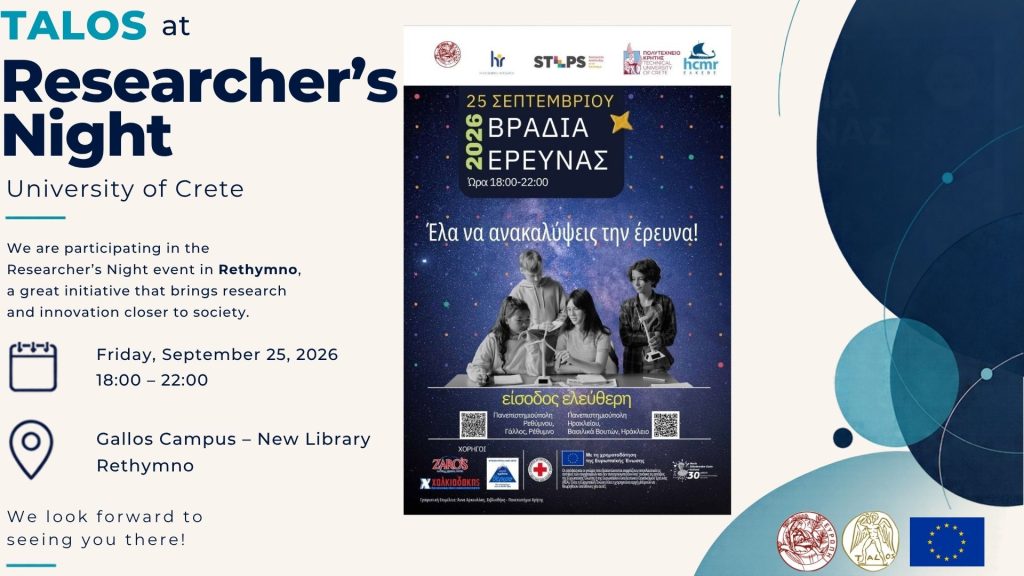
TALOS at Researcher’s Night 2026
TALOS participated in Researcher’s Night 2026, organized by the University of Crete on September 25, 2026, at the Rethymno Campus in Gallos. The event brought research and science closer to the public, highlighting the people, ideas, and activities behind ongoing research at the University. TALOS joined this celebration of science, research, and innovation, contributing to the dialogue between the research community and society.
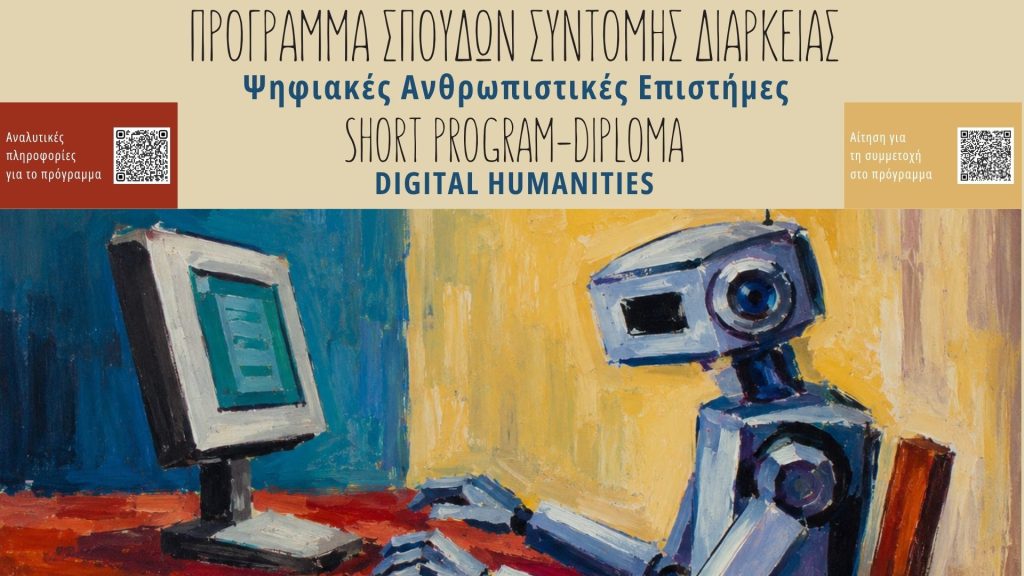
TALOS Short Program-Diploma in DH: 2026–2027 Winter Semester Launch
The Short Program–Diploma in Digital Humanities (DH) is running for its 4th year (academic year 2026–2027), delivered by the Department of Philology of the University of Crete within the framework of the TALOS project. Open to students from all Departments (from the 3rd semester onwards). Submit your Expression of Interest by 27/09/2026.
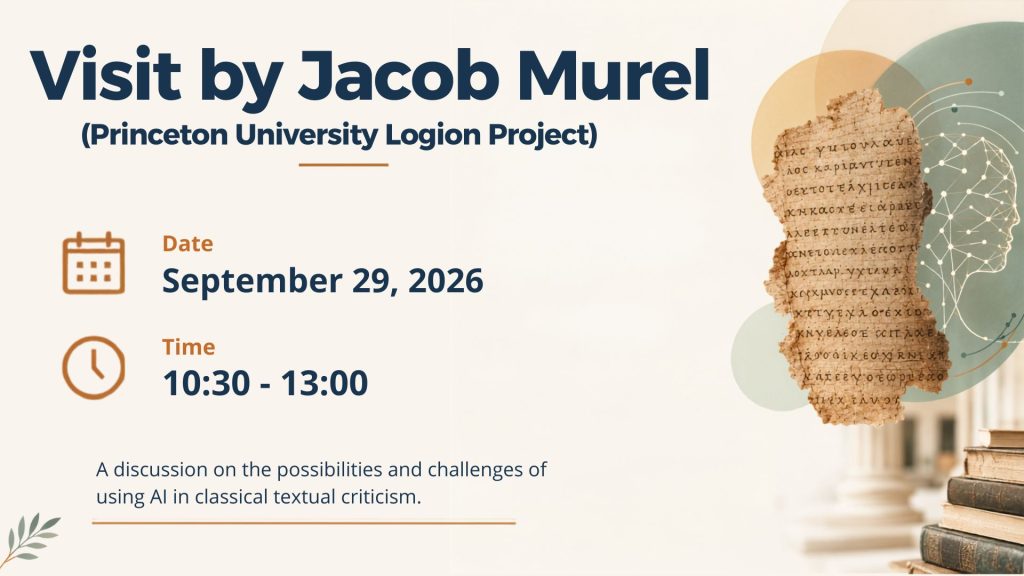
Visit by Dr Jacob Murel (Princeton University Logion Project) | Hybrid
TALOS AI4SSH at the University of Crete welcomed Dr Jacob Murel, Technical Lead of the Princeton University Logion Project, for a talk on the possibilities and challenges of using artificial intelligence in classical textual scholarship. The event explored the use of language models for philological tasks, text reconstruction, and textual criticism, while also considering the challenges of evaluating and developing AI tools for research in the humanities.
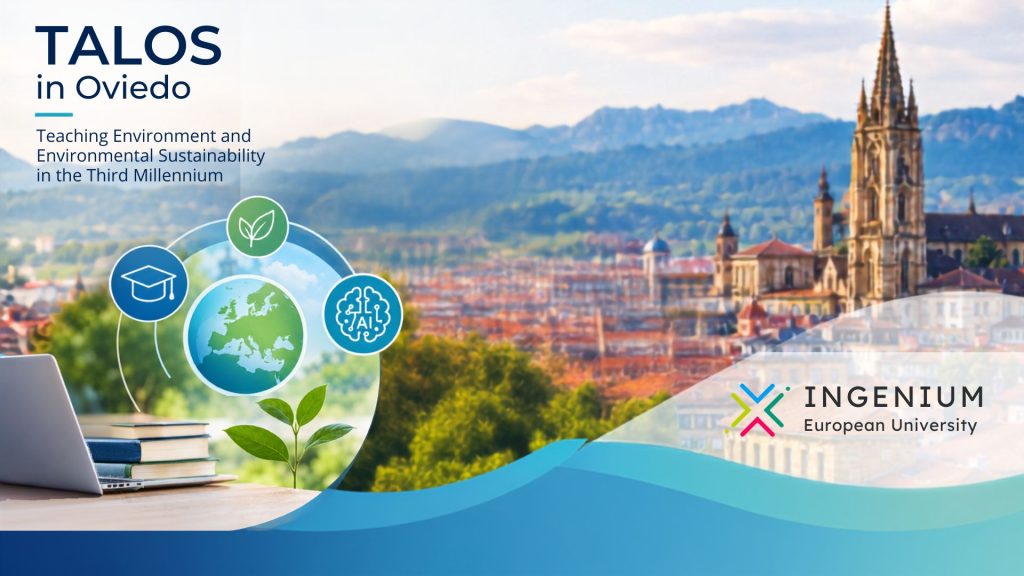
TALOS AI4SSH at the University of Oviedo
Maria Papadopoulou, Director of the TALOS AI4SSH Lab, participated in the BIP “Teaching Environment and Environmental Sustainability in the Third Millennium” at the University of Oviedo, presenting the research and vision of TALOS and exploring future collaboration in Classical Philology, Digital Humanities, and AI for Classics.
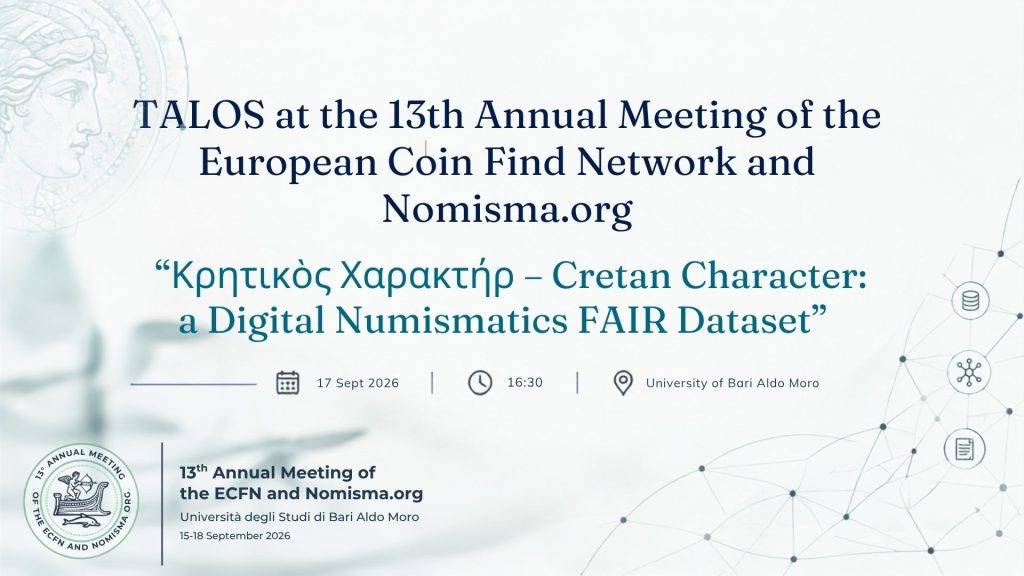
TALOS at the 13th Annual Meeting of the European Coin Find Network and Nomisma.org
TALOS AI4SSH at the University of Crete will participate in the 13th Annual Meeting of the European Coin Find Network and Nomisma.org, taking place at the University of Bari Aldo Moro, Italy, from 15–18 September 2026. On Thursday, 17 September, Maria Papadopoulou and Christophe Roche will present “Κρητικὸς Χαρακτήρ – Cretan Character: a Digital Numismatics FAIR Dataset” in the session “Digital Tools and Data Management.” The RDF dataset was curated by Tonia Lourentzaki and Dimitrios Malliarakis using TEDI and is available online through Humanistica Digitalia.
Members of TALOS secure funding for the BRIDGE-AI Project under Horizon Europe – WIDERA Twinning 2026
Members of TALOS secure €1.5 million in Horizon Europe funding for the BRIDGE-AI Project, advancing responsible AI governance, fundamental rights, and European research capacity.
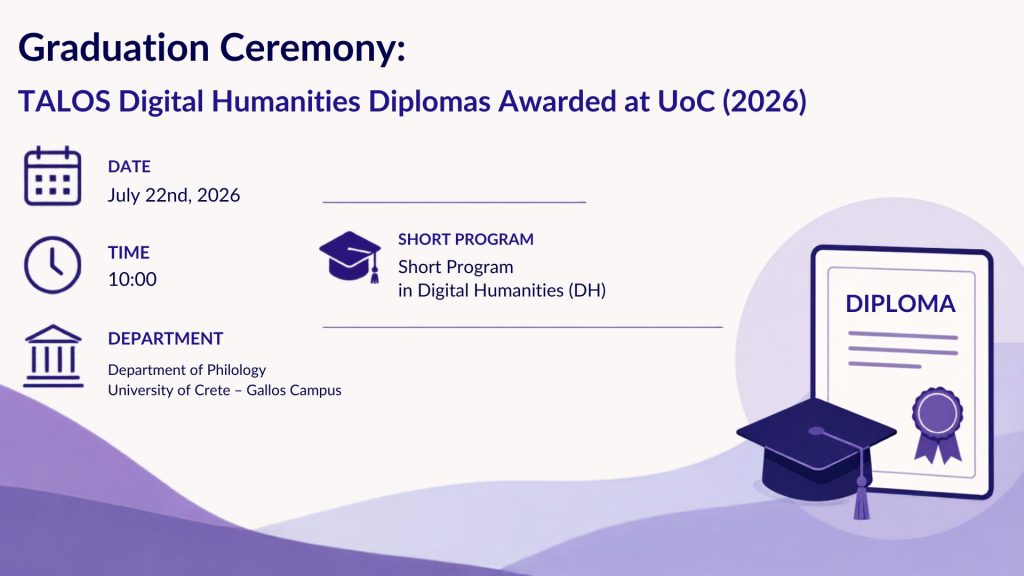
Graduation Ceremony: TALOS Digital Humanities Diplomas Awarded at UoC (2026)
On July 22nd at 10:00 am, during the Dept. of Philology graduation ceremony at the University of Crete, we celebrated the graduation of 3 students from the Short Program-Diploma in Digital Humanities (DH)!
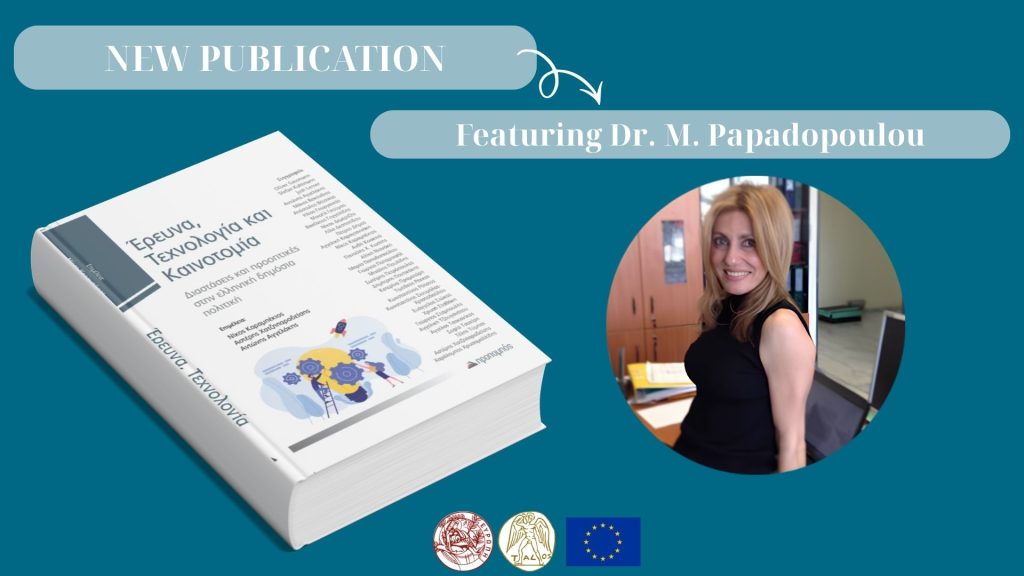
New Publication: Dr. Maria Papadopoulou Contributes to Collective Volume on Research, Technology, and Innovation
Announcement of the new collective volume “Research, Technology and Innovation” published by Propobos Publications. The volume features a contribution by Dr. Maria Papadopoulou, Assistant Professor of Digital Humanities and Classics at the University of Crete and Director of the TALOS Lab.
TALOS Short Program-Diploma in DH: 2026–2027 Winter Semester Launch
The Short Program–Diploma in Digital Humanities (DH) is running for its 4th year (academic year 2026–2027), delivered by the Department of Philology of the University of Crete within the framework of the TALOS project. Open to students from all Departments (from the 3rd semester onwards). Submit your Expression of Interest by 20/07/2026.
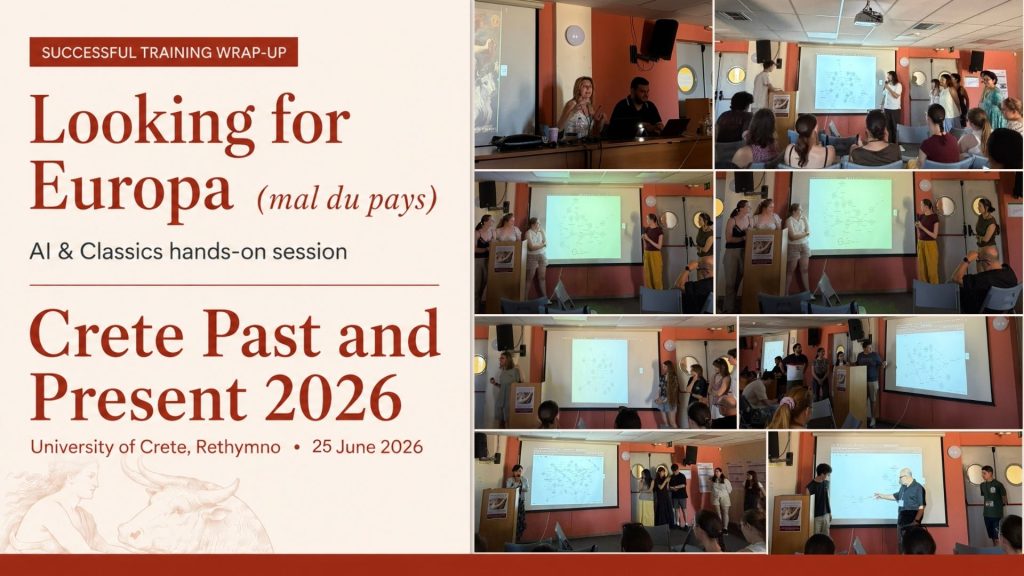
TALOS hands-on training at the Crete Past and Present 2026 Summer School
As part of the Crete Past and Present 2026 Summer School, the TALOS Lab delivered the hands-on session “Looking for Europa (mal du pays)” in Rethymno on 25 June 2026. Led by Maria Papadopoulou and Rafail Giannadakis, the training introduced participants to the myth of Europa, its textual and visual receptions, and to AI-supported methods such as semantic annotation, ontology-based modelling, and knowledge graphs, which students then applied in group work.