TALOS hands-on training at the Crete Past and Present 2026 Summer School
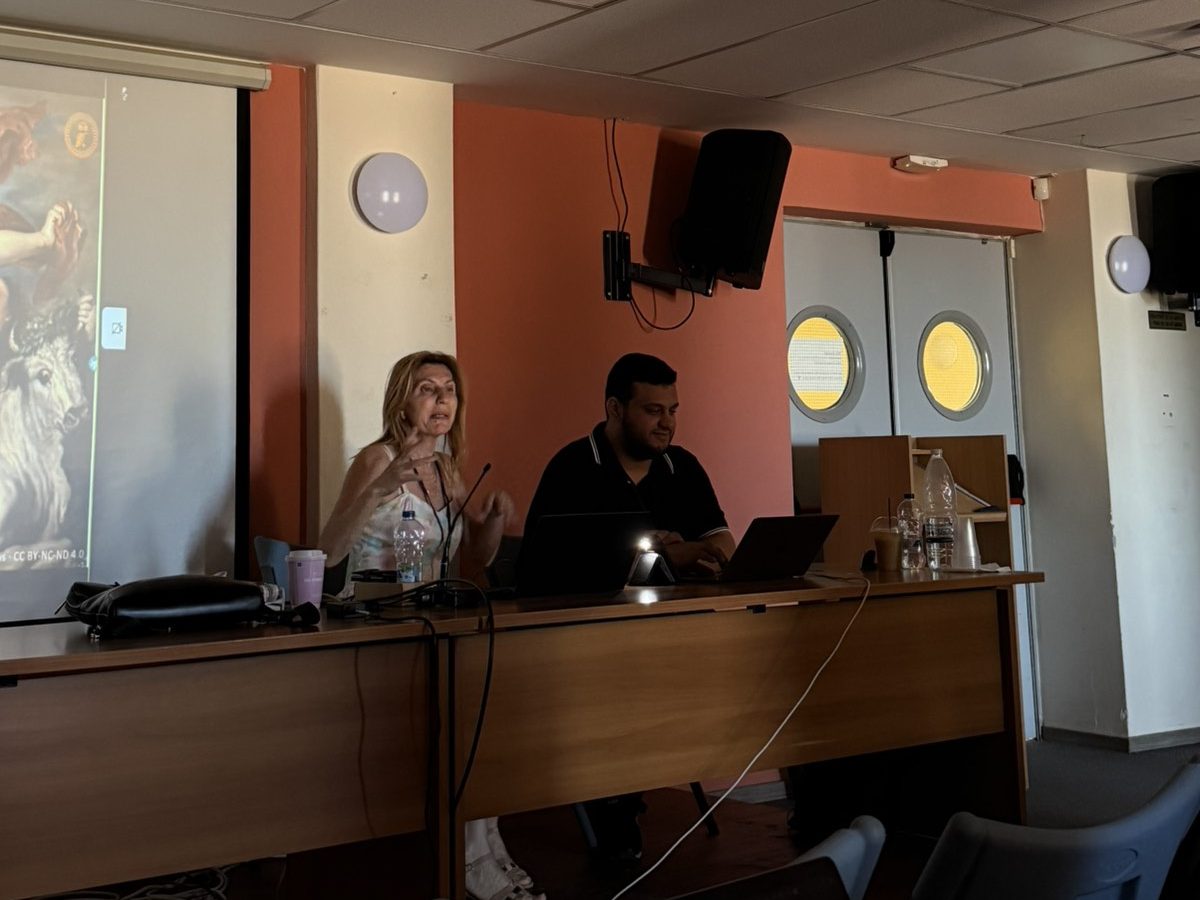
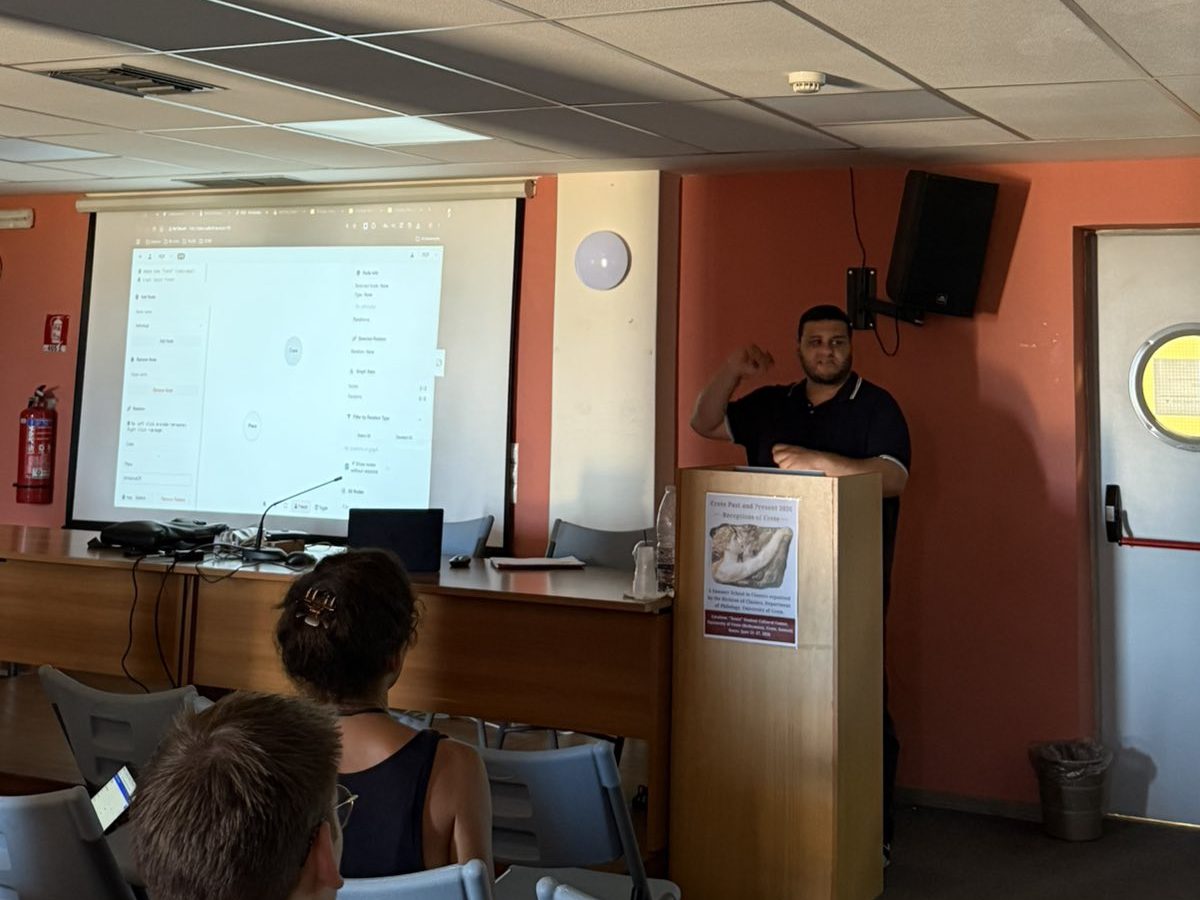
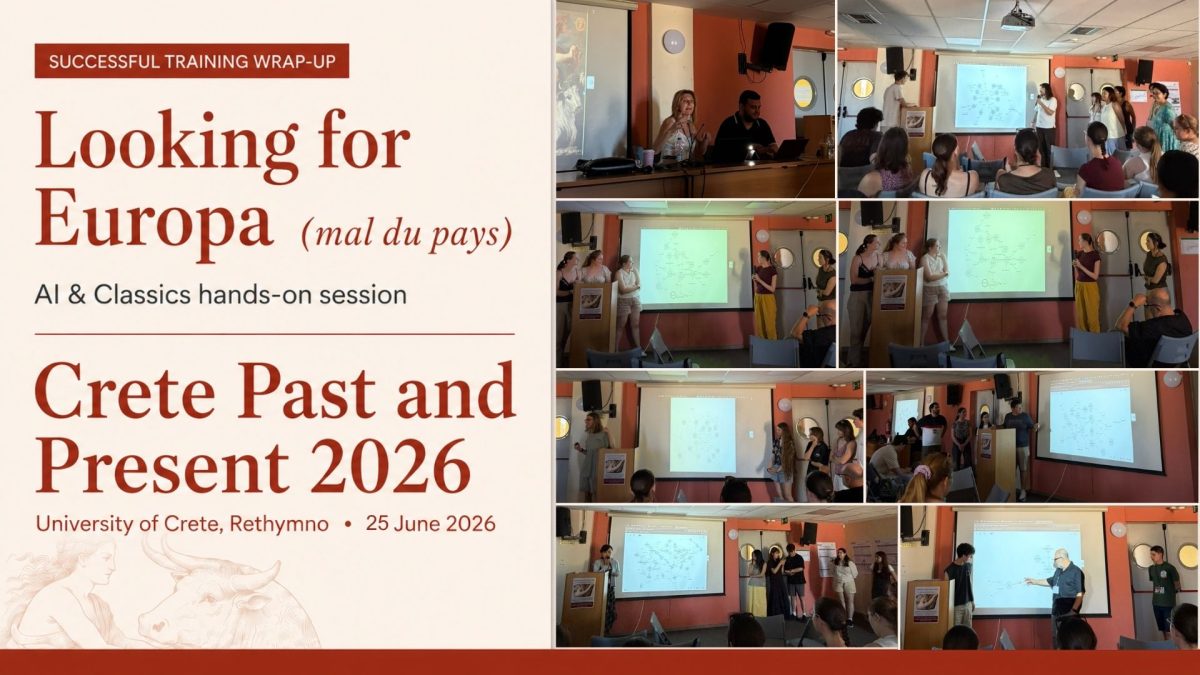
As part of the Crete Past and Present 2026 Summer School, the TALOS Lab delivered the hands-on session “Looking for Europa (mal du pays)” on Thursday, 25 June 2026, at the Xenia Student Centre in Rethymno. Led by Dr Maria Papadopoulou and Rafail Giannadakis, the training introduced participants to AI-supported workflows for Classics and Classical Reception Studies, using the myth of Europa as a case study.
The session began with an introduction to the myth of Europa, its ancient textual sources, and its later visual and cultural receptions across time. Participants were then introduced to the logic of semantic annotation, ontology-based modelling, and knowledge graphs, and to the ways these methods can support transparent and interpretable research workflows in the humanities.
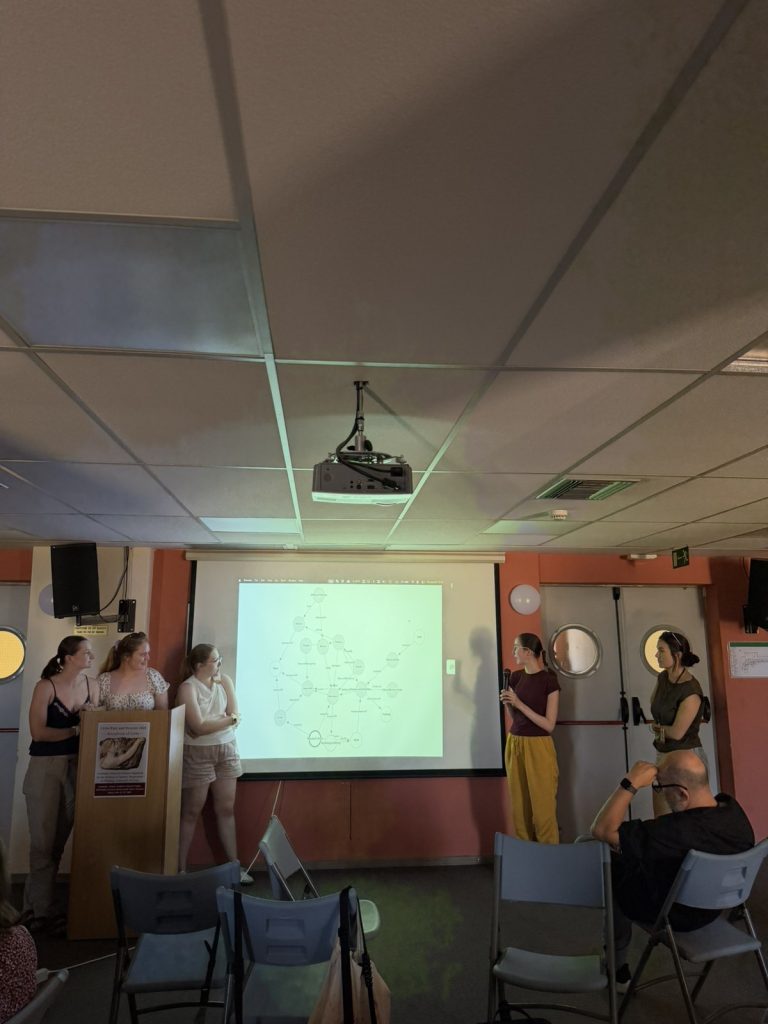
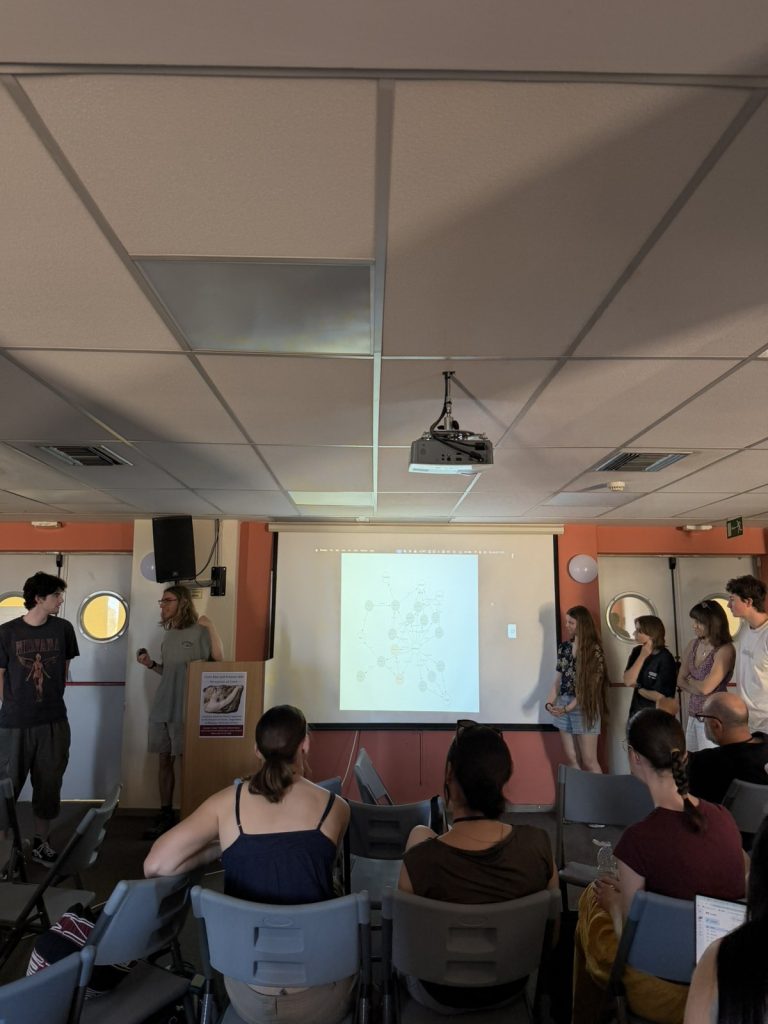
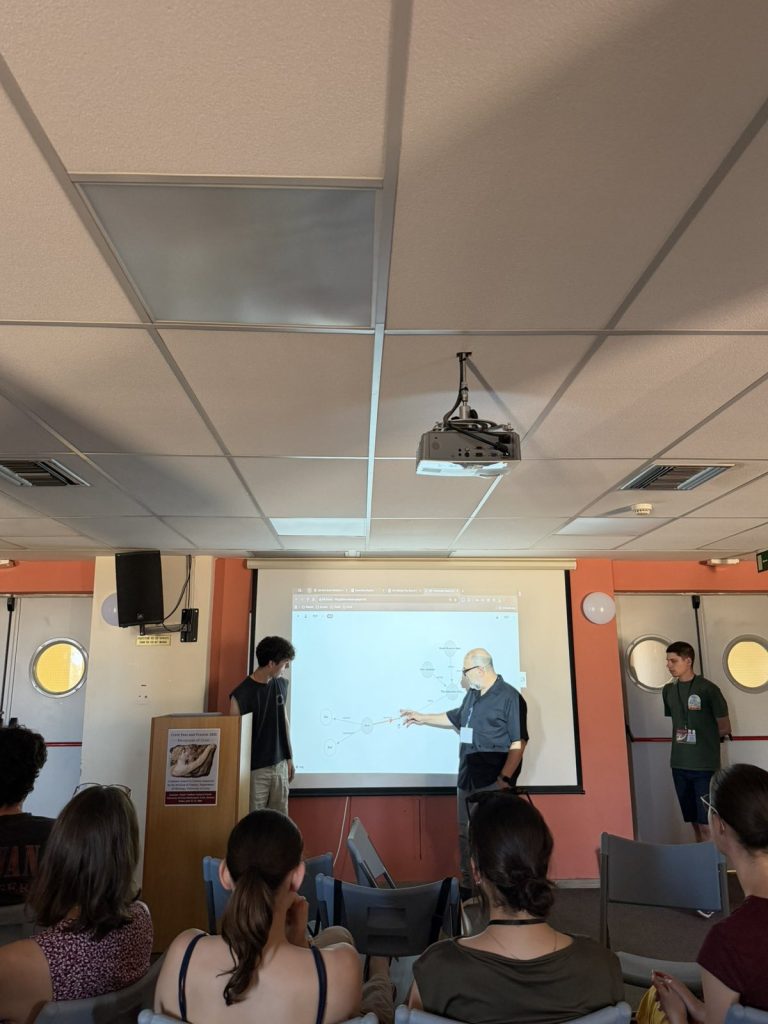
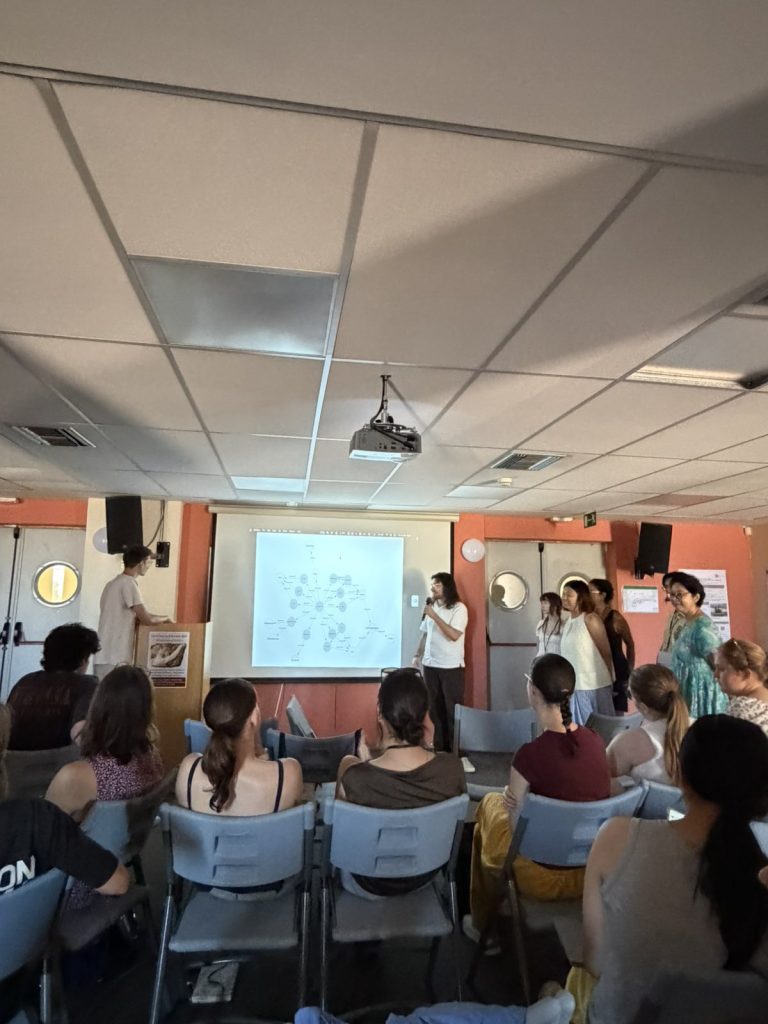
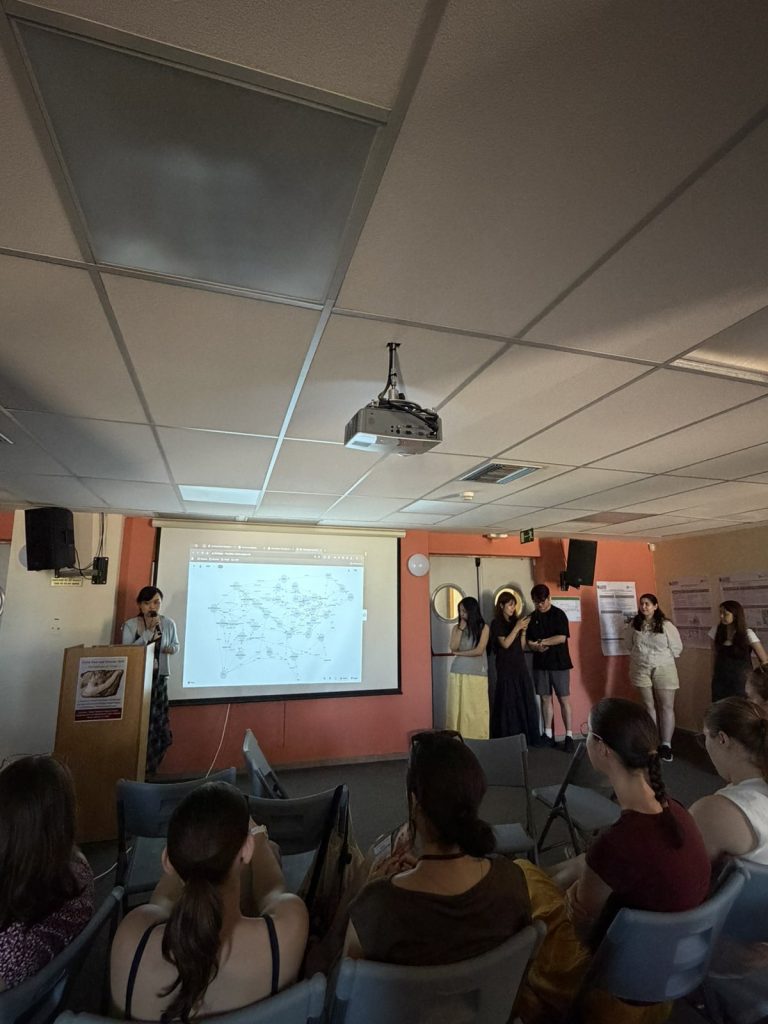
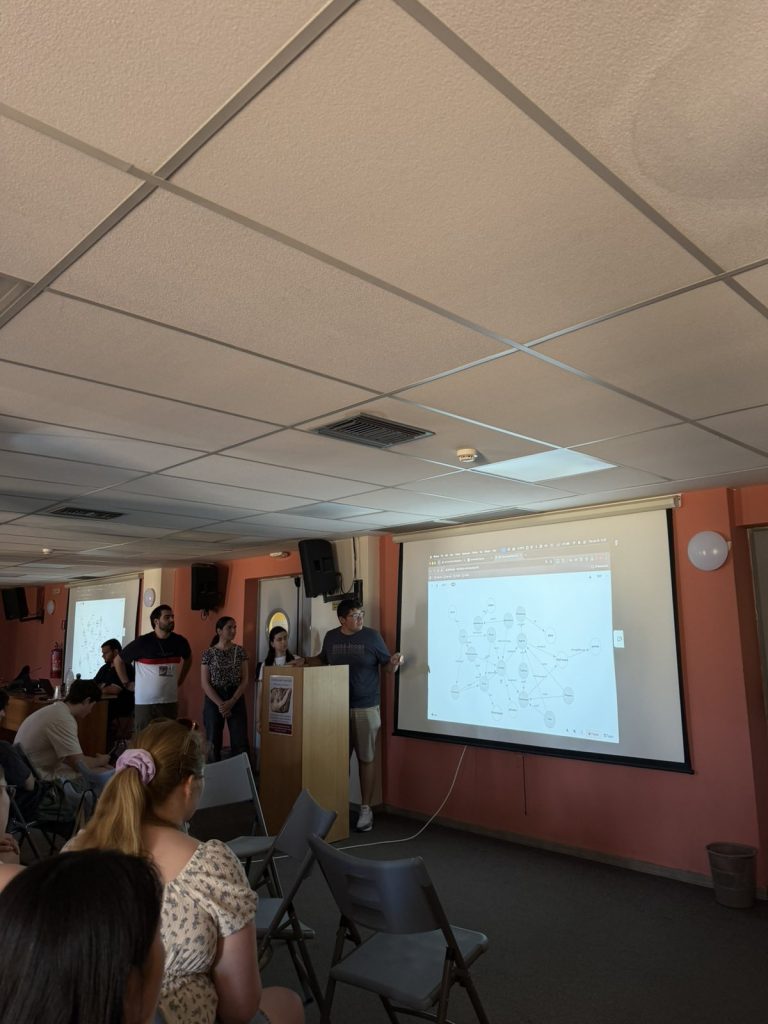
Around 40 students then worked in groups on ancient texts, visual material, and later receptions of the myth, exploring how humanities sources can be transformed into structured, machine-readable data through semantic annotation, ontology-based modelling, and linked data tools. Using the Knowledge Graph Editor (KGE), participants created small knowledge graphs from their assigned sources and then presented their work to the group.
The session combined methodological reflection with hands-on practice, offering participants an engaging introduction to how questions from philology and reception studies can be translated into structured and queryable representations for research and teaching in Classics × AI.